



Description
BAMBOO Limited Edition
There is a moment, in the quietest months of the year, when nature seems to hold its breath.
It is in this suspended interval that, according to Japanese tradition, the shōchiku-bai, known as Pine, Bamboo and Plum take place representing the Three Winter Friends.
Plants that withstand the cold without yielding, symbols for centuries of moral strength, perseverance and a wish of good fortune for the year to come.
With LA DOTTA Bamboo SCRIBO opens a trilogy that will accompany three years of artisanal work: a journey in which material, gesture and meaning intertwine to shape a more mindful way of writing.
LA DOTTA Bamboo Limited Edition inaugurates this journey with the purity of an ancient symbol, one associated with the ability to bend without breaking, to remain steady even as the wind shifts and to look toward the future with renewed hope.
In Japanese culture, bamboo is a silent teaching: an invitation to resilience, to inner integrity, to balance in times of transformation. Its essential elegance becomes a visual narrative, matter turning into meaning.
The creation is entrusted to Urushi master Takeshi Matsuyama, a guardian of a natural lacquer that demands slowness, precision and an absolute dedication to the art of time.
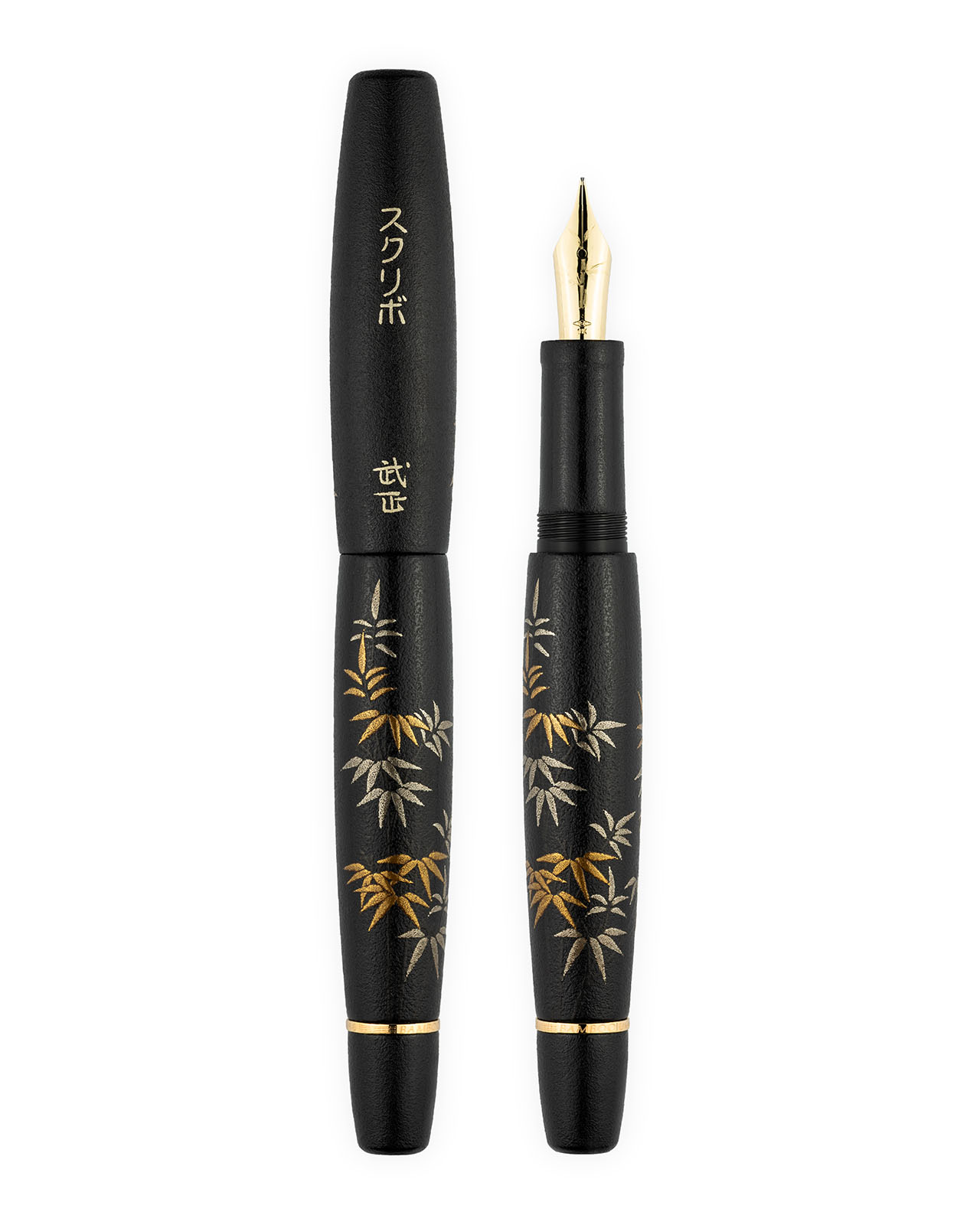
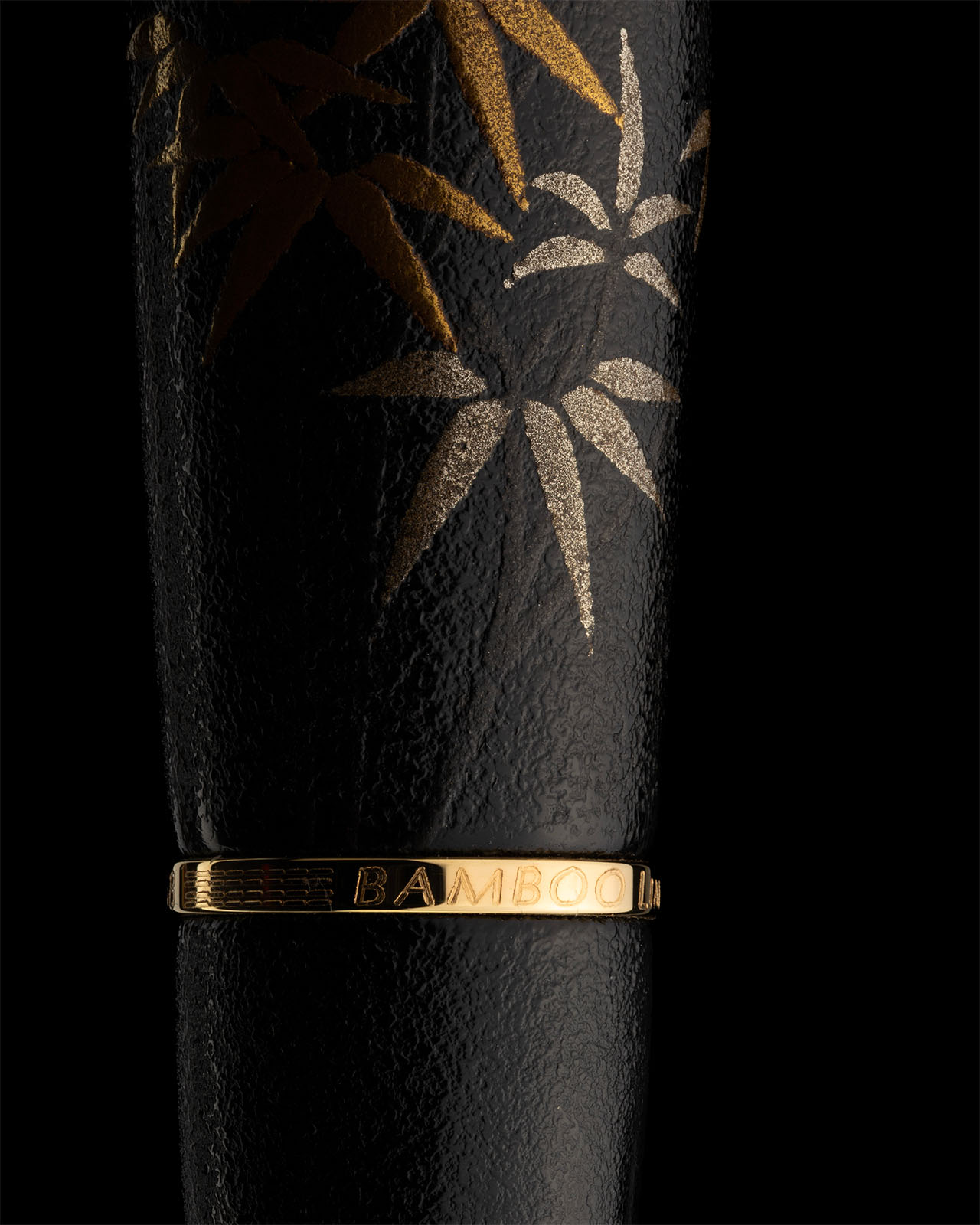
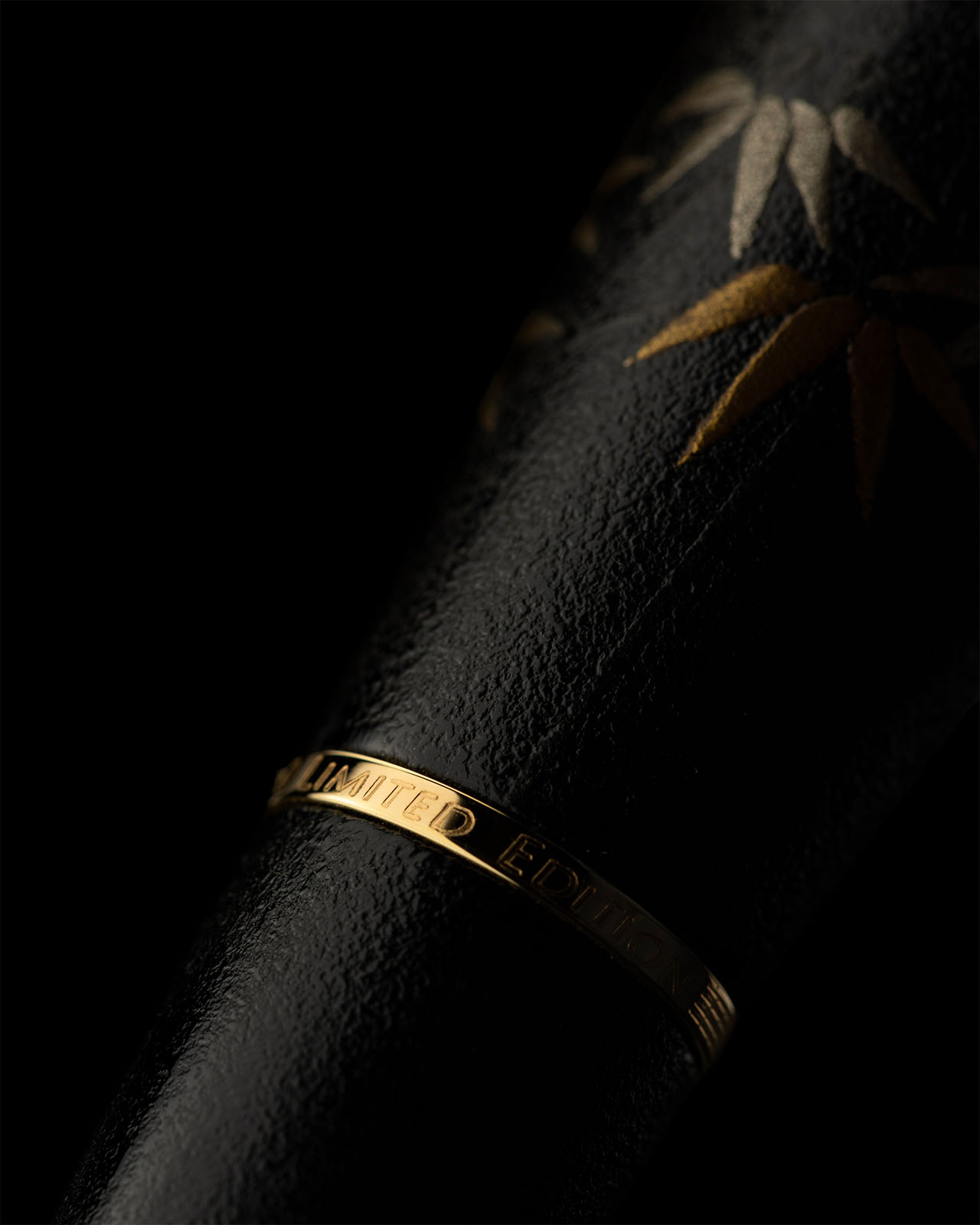
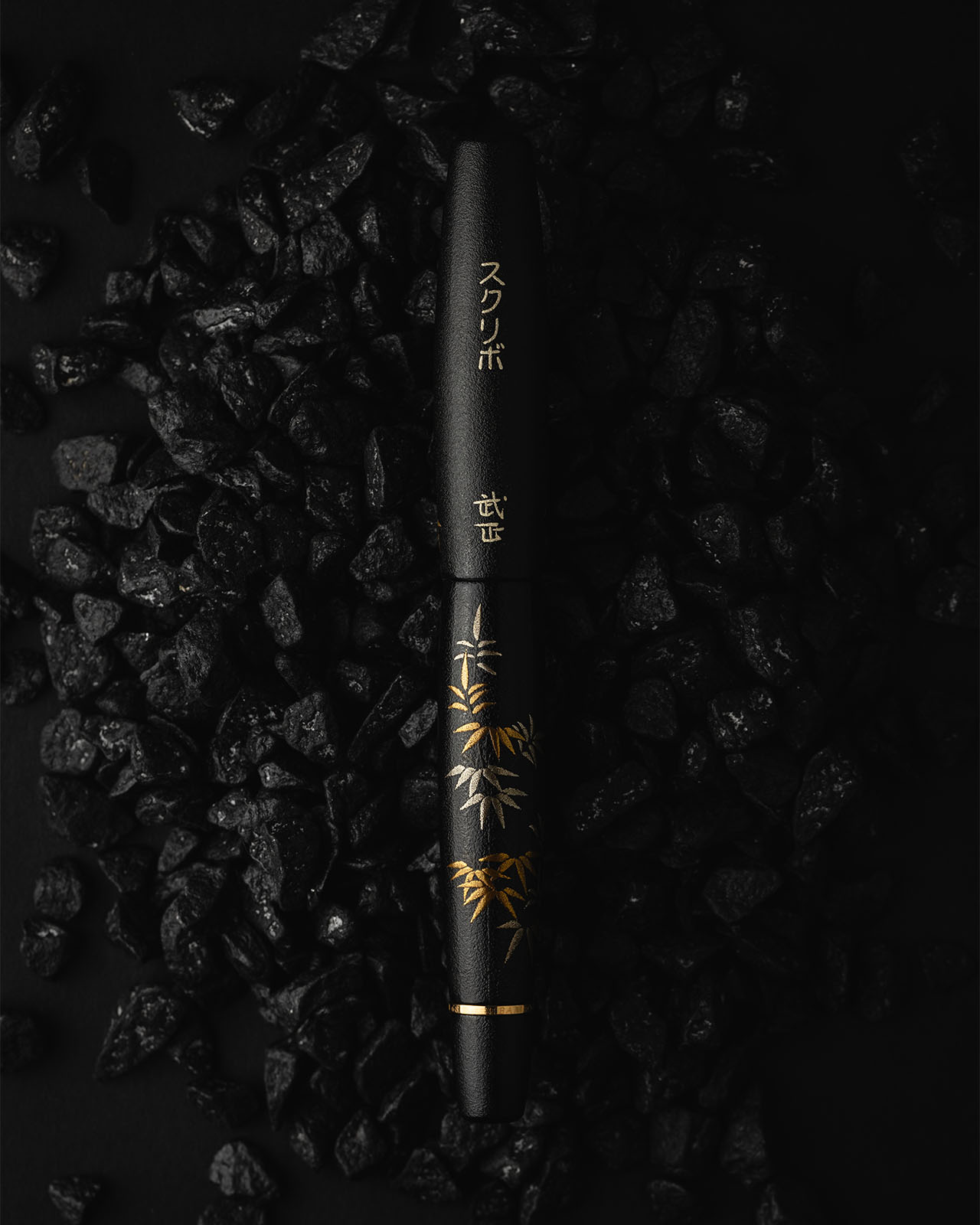
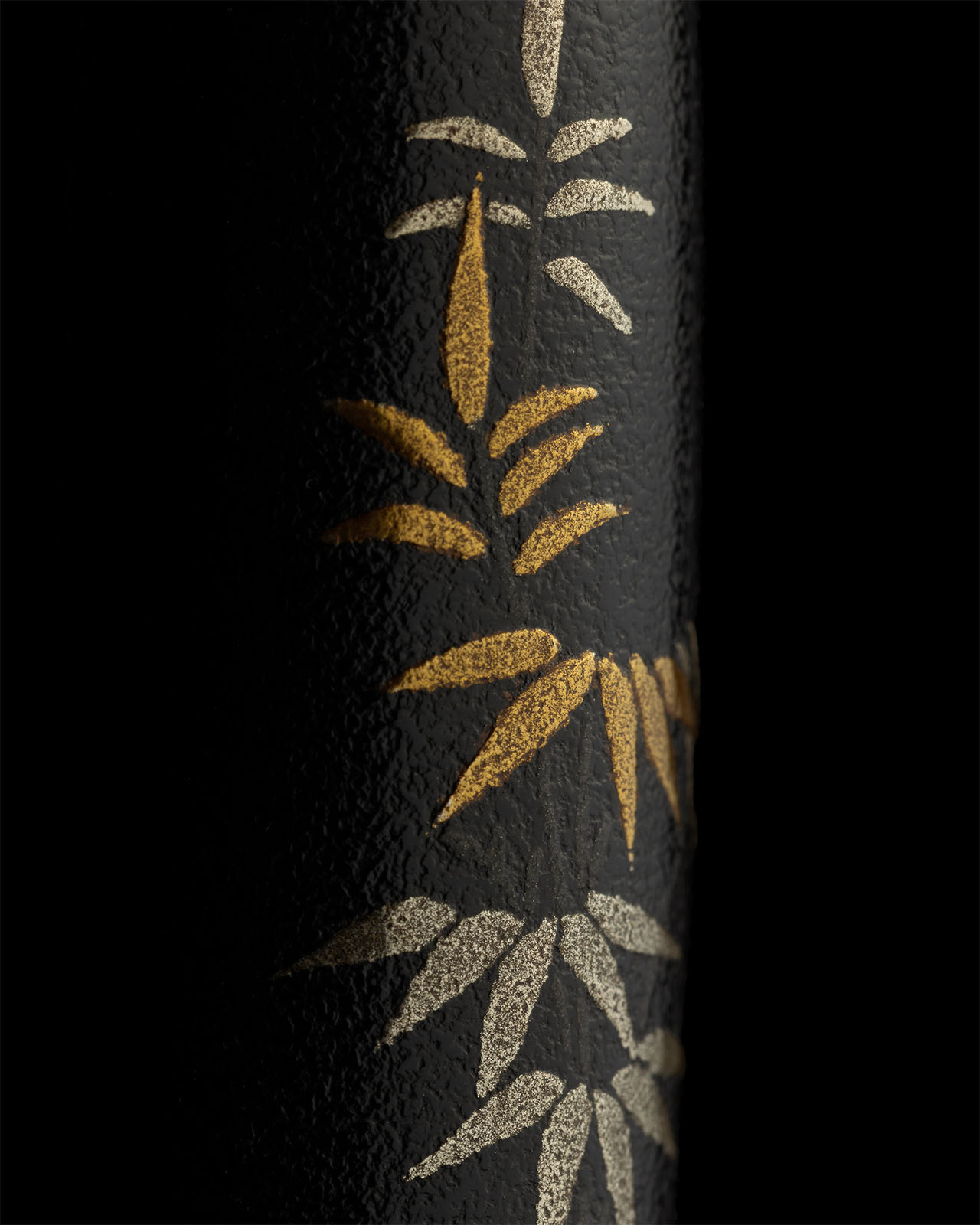
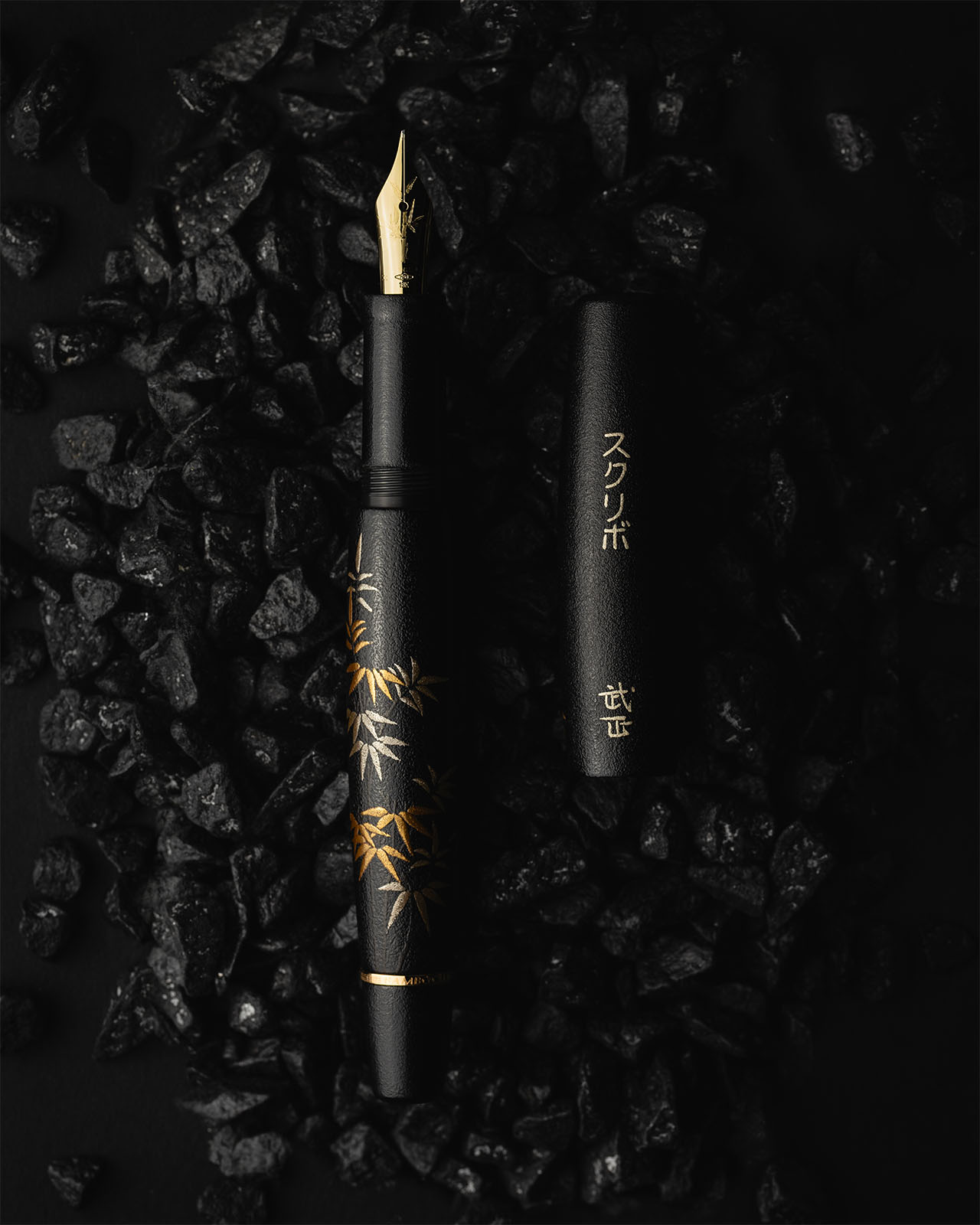
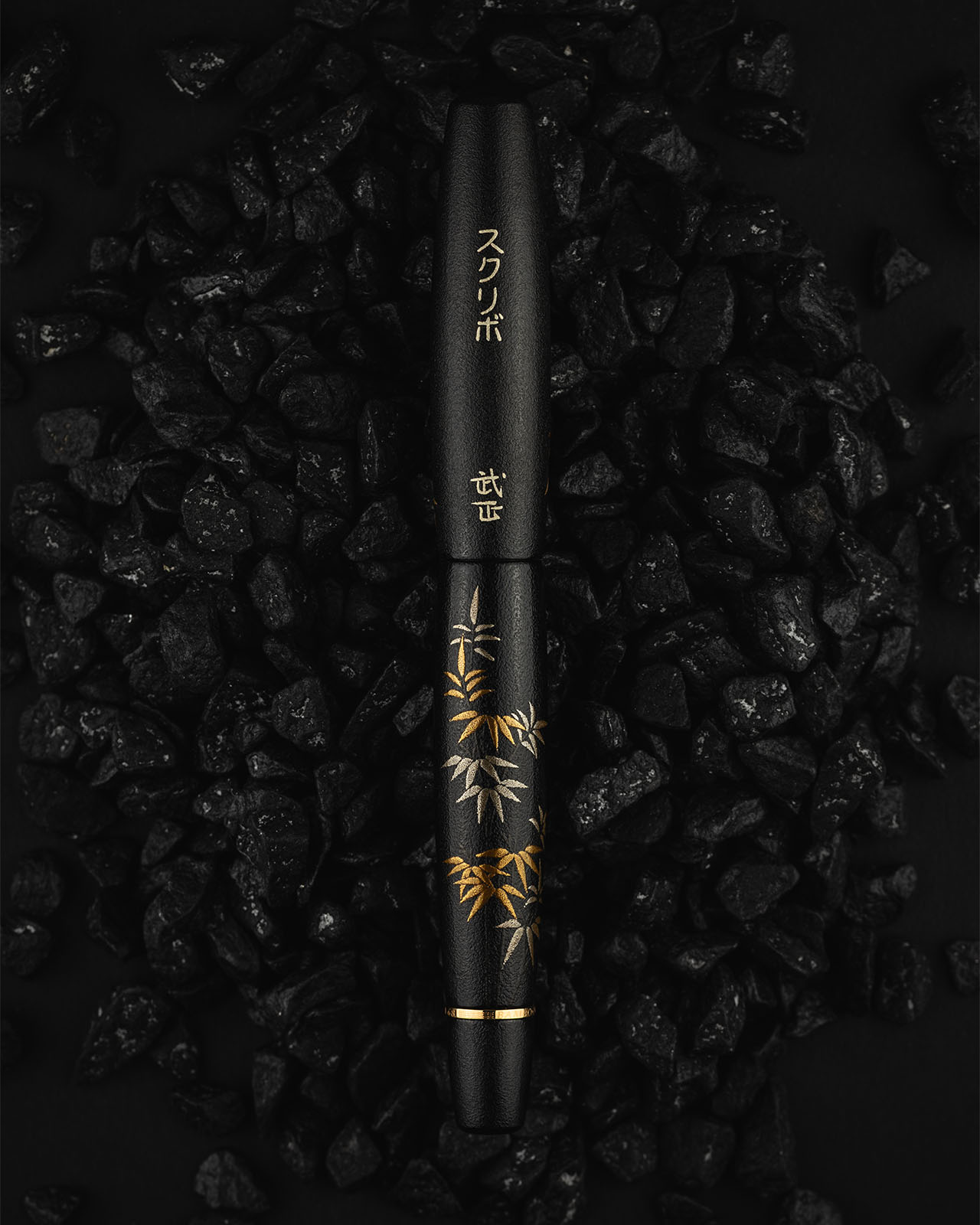
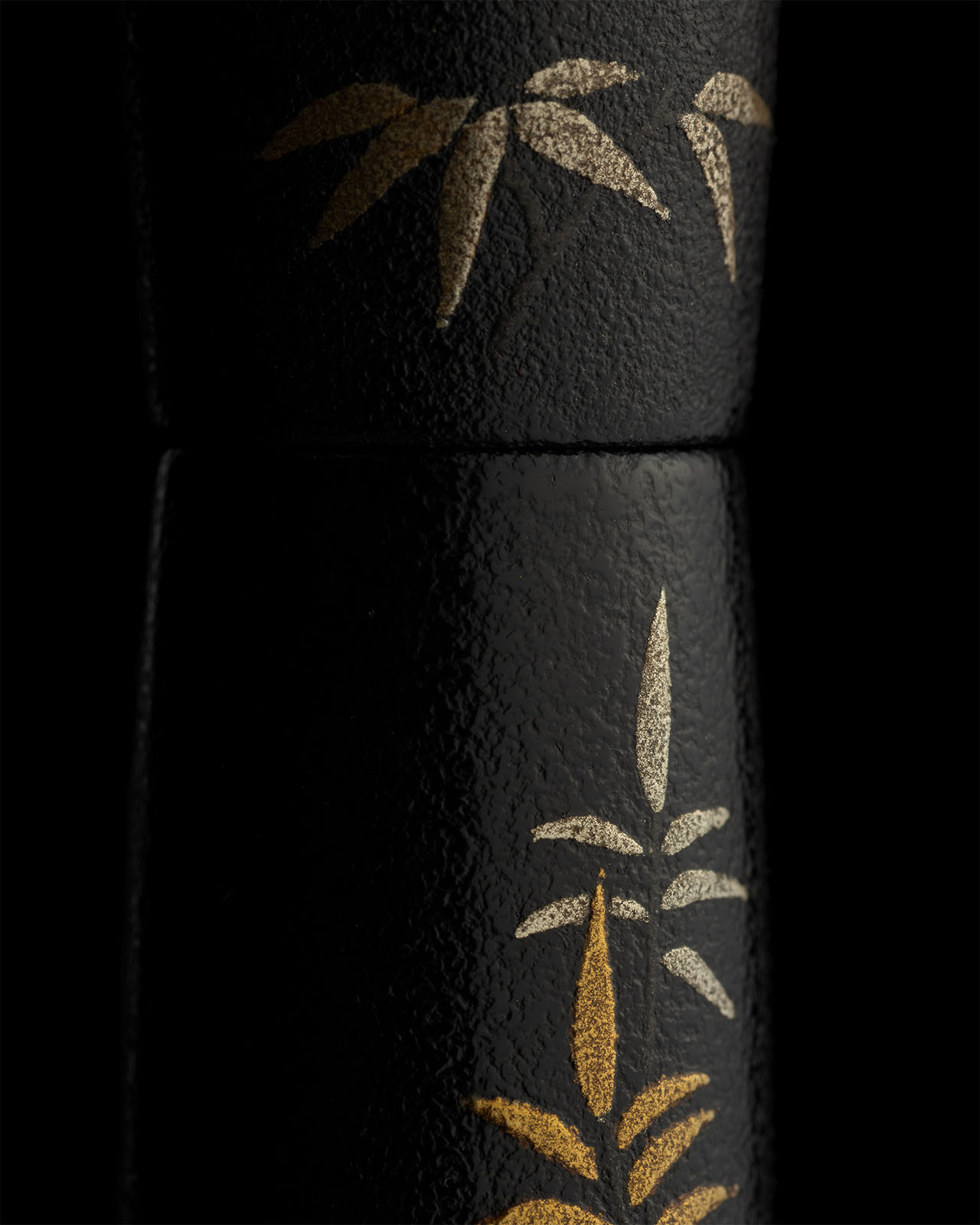
The surface reveals the material texture of the Ishime finish, inspired by the hardness of winter earth, while the Maki-e decoration, crafted with gold and silver powders, draws the bamboo motif on the pen’s body like a natural ideogram.
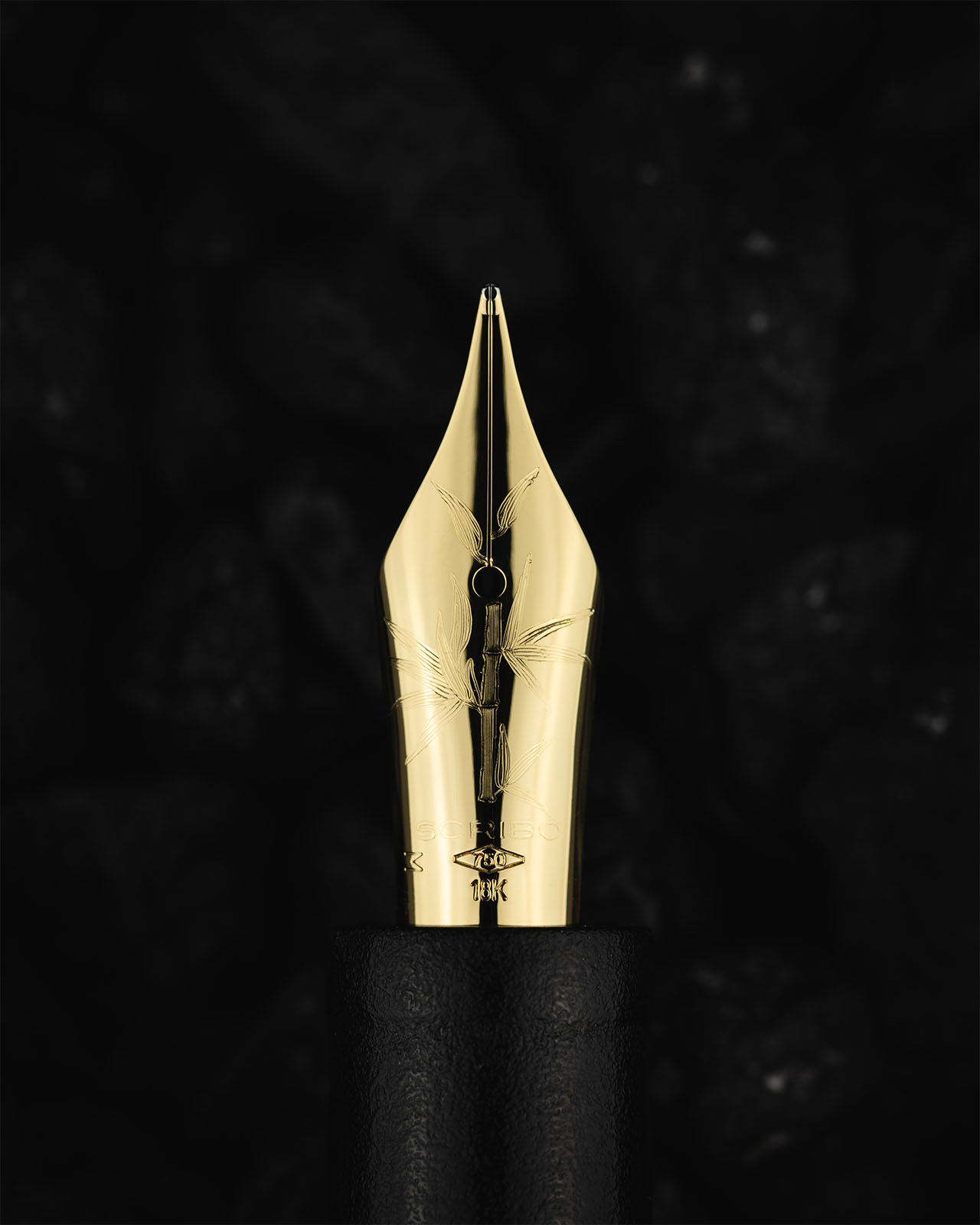
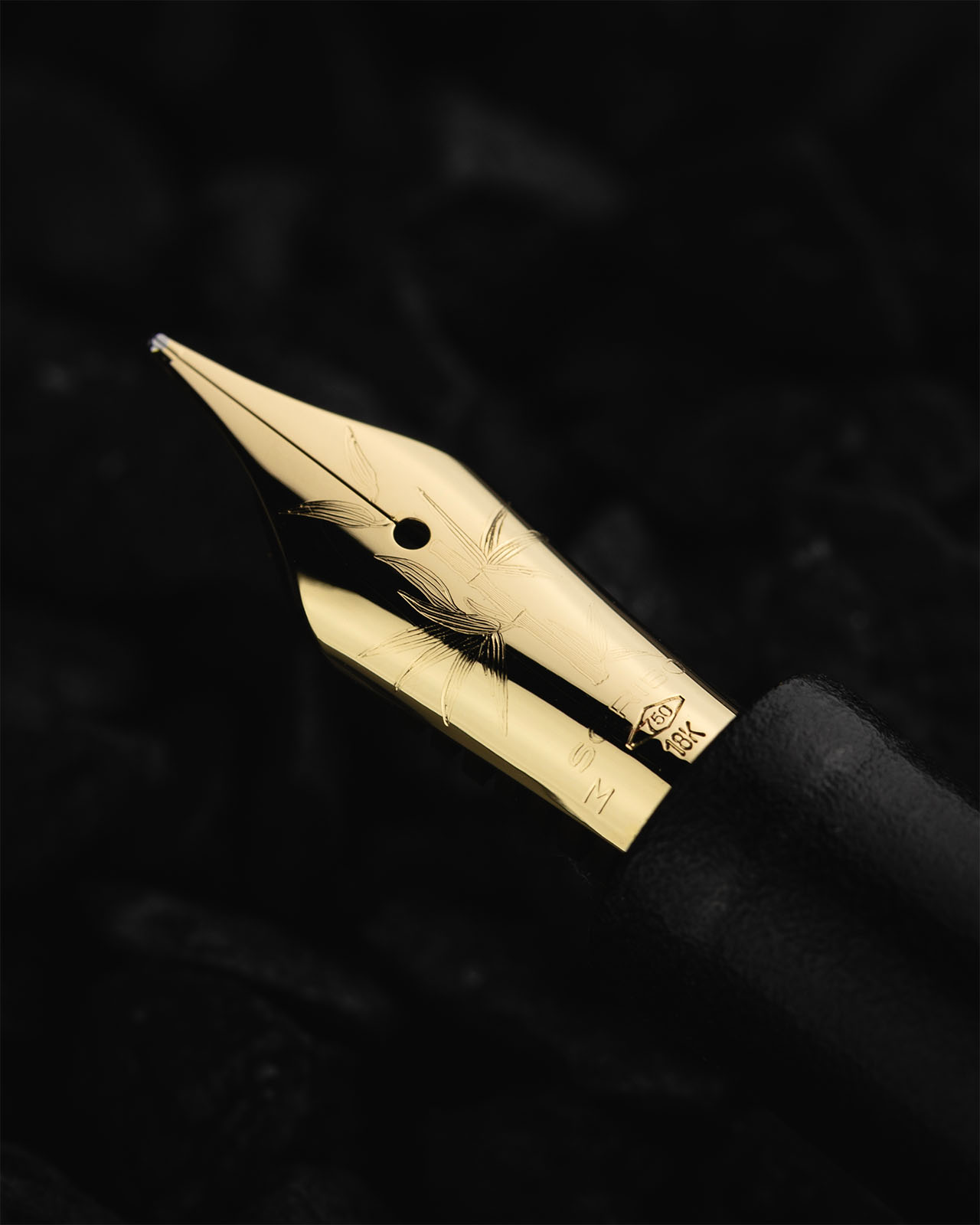
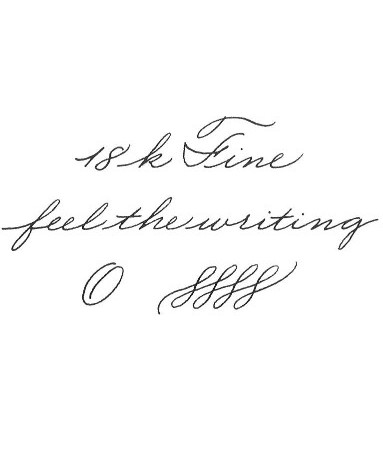
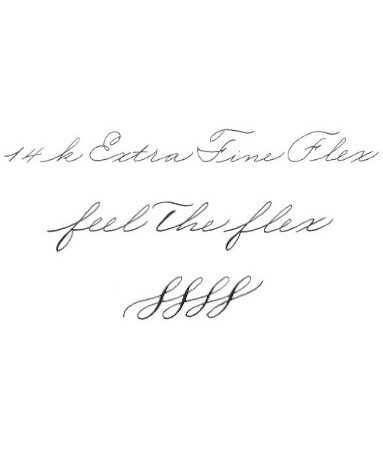
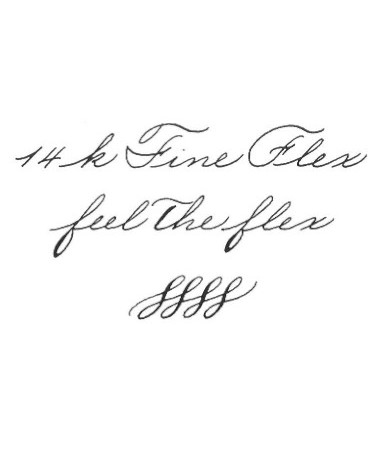
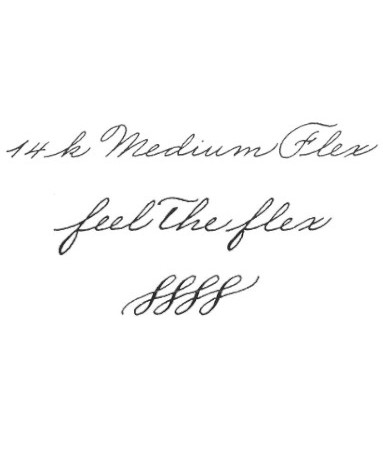
The nib, too, carries its own tribute: a dedicated engraving, discreet and precious, conceived as an intimate detail visible only to the one who writes.
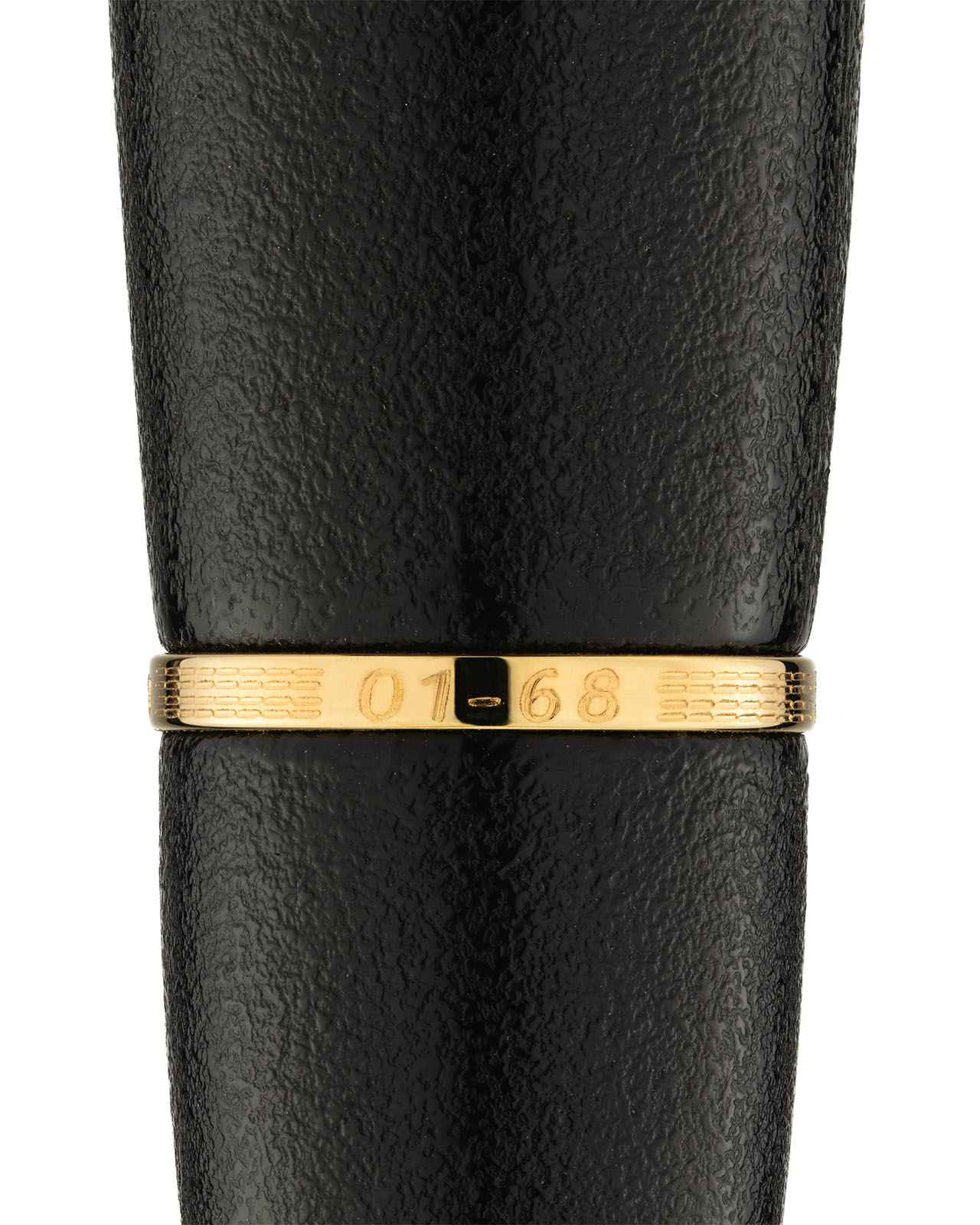
Each piece belongs to a limited edition of 68 samples, and each progressive numbering is pantograph-engraved on the ring of the filling system, together with the name “Bamboo Limited Edition”.
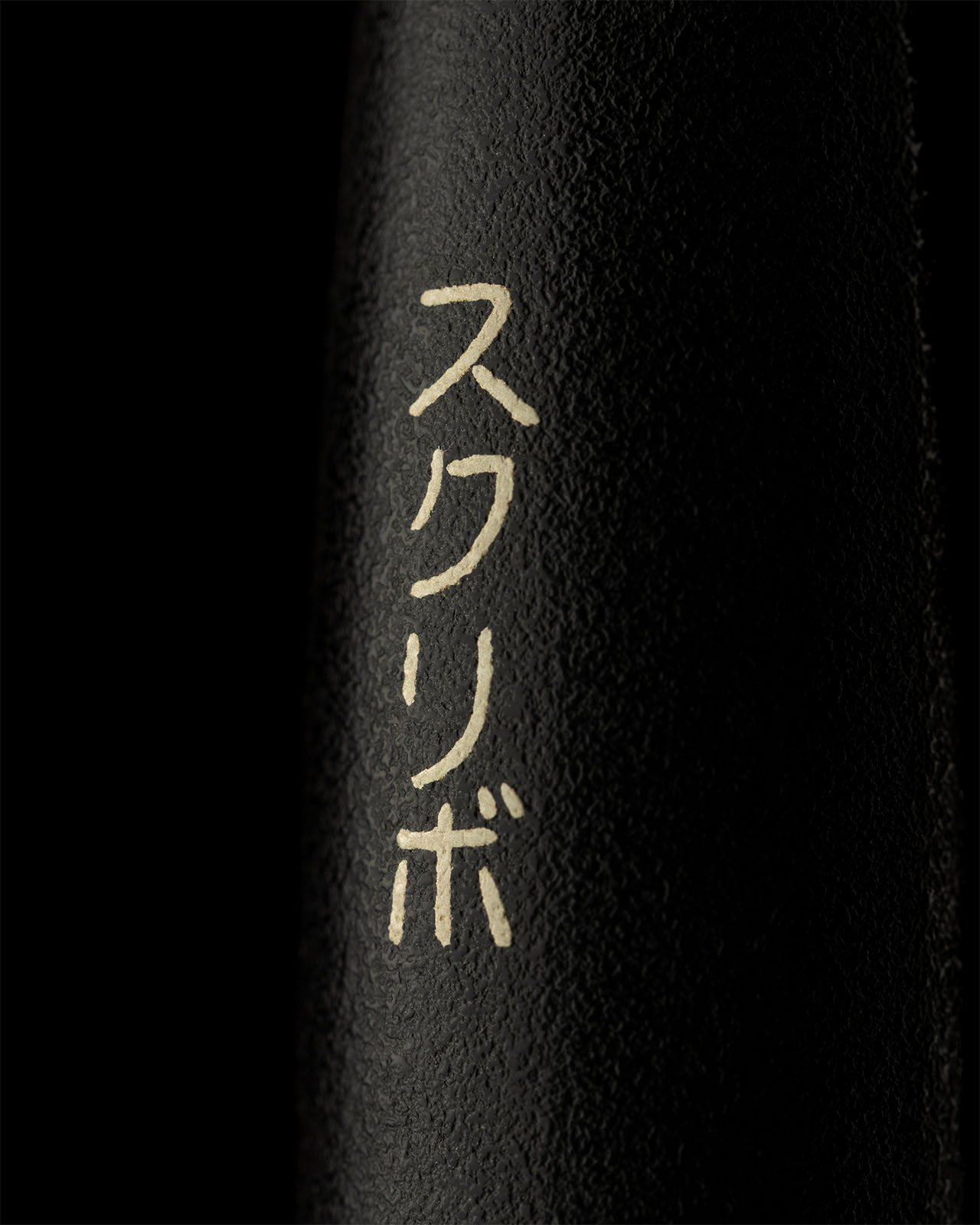
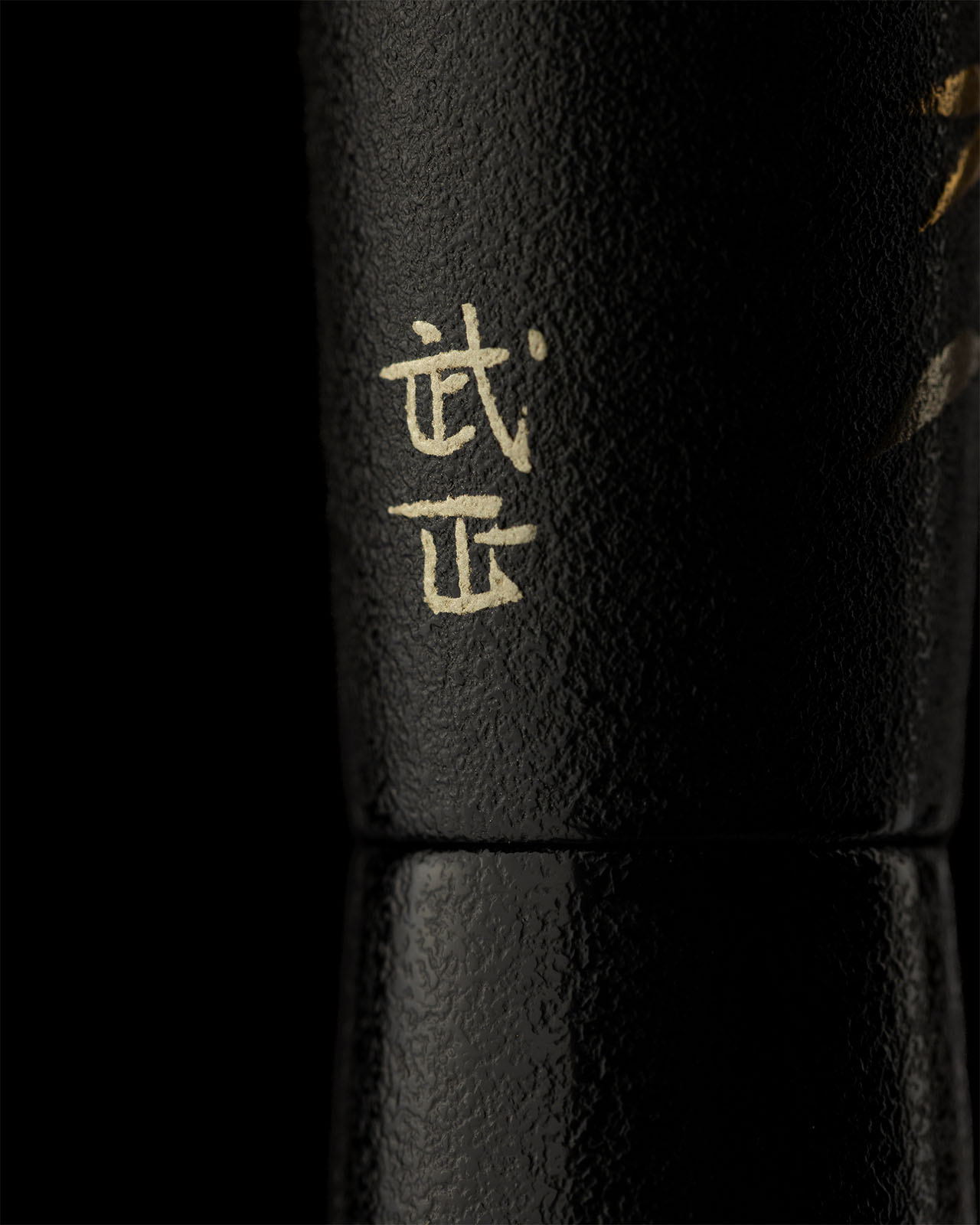
The signatures of the artist and of SCRIBO, the latter engraved in katakana in a delicate dialogue between Italian identity and Japanese culture, appear on the cap.
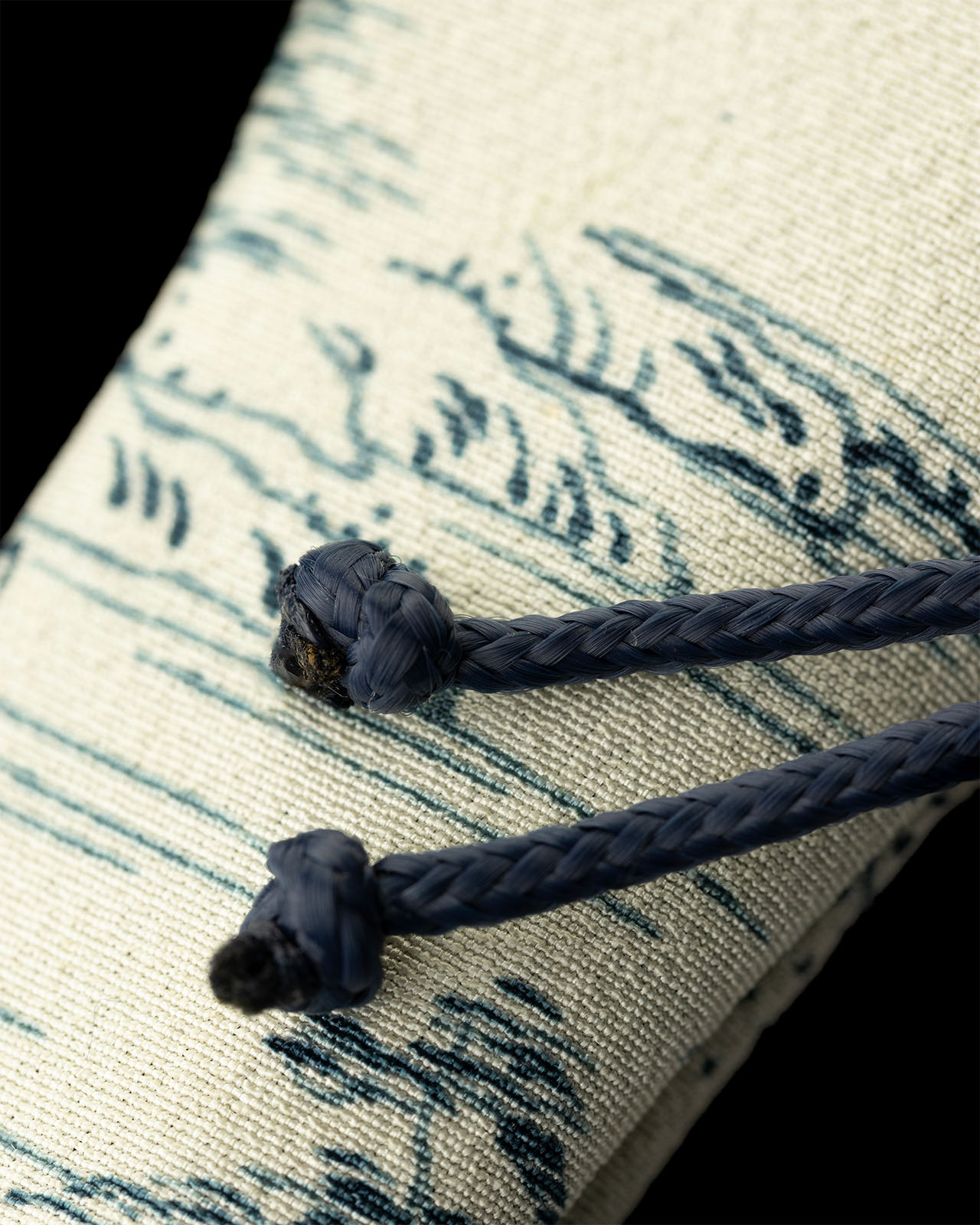
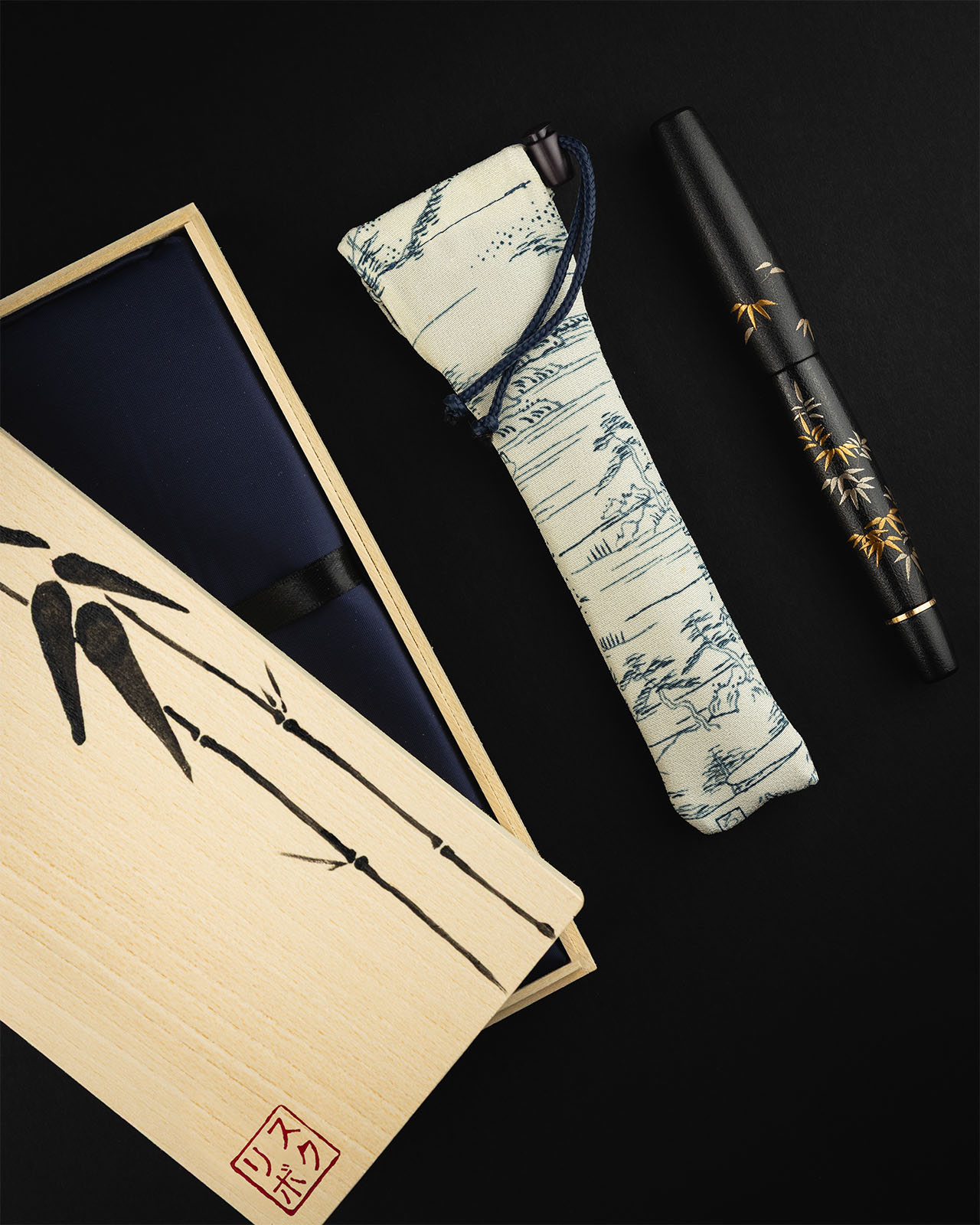
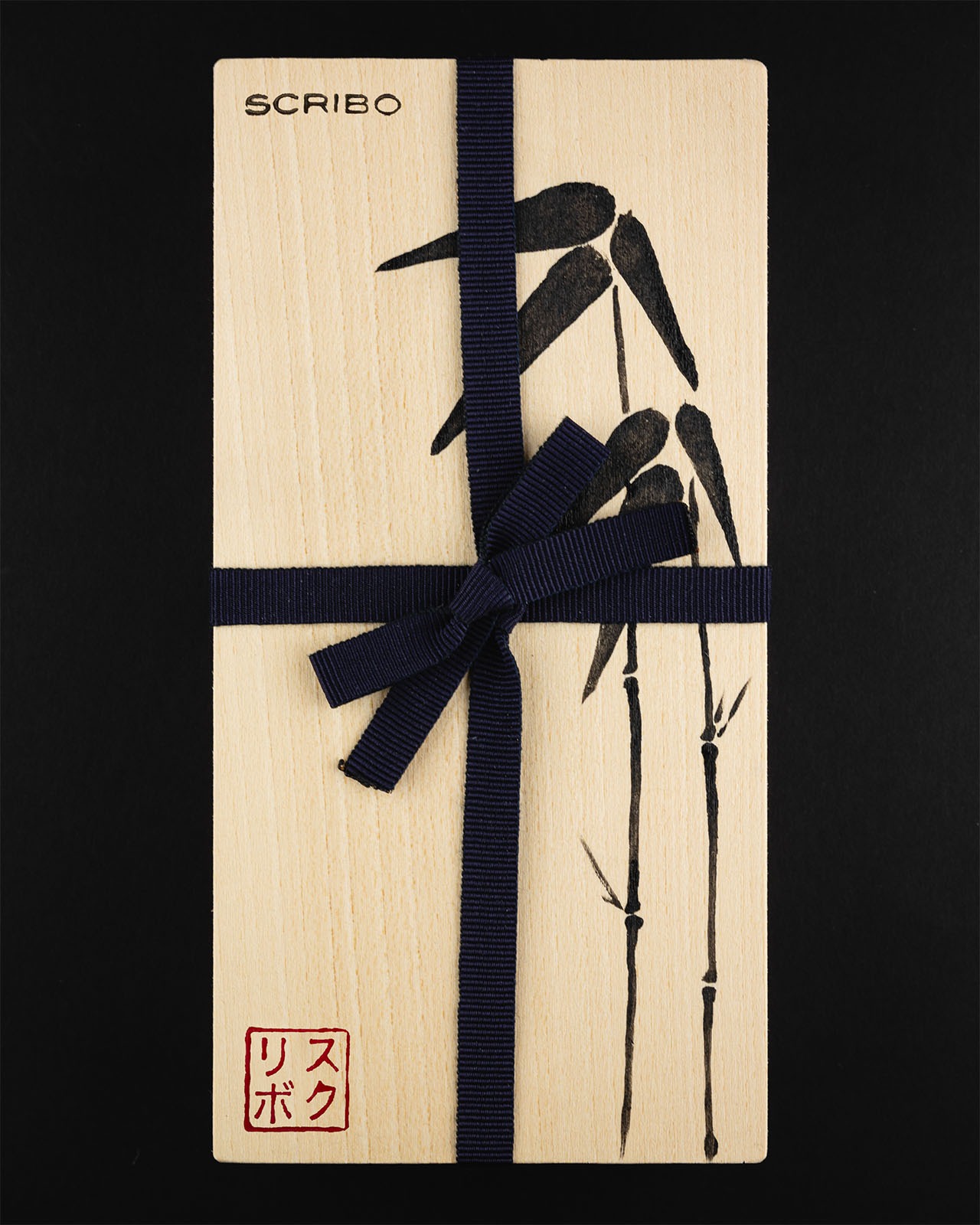
The ritual continues in the packaging: a handmade wooden box closed with a cord in a pure Japanese style, conceived with an essential aesthetic in which nothing is superfluous. The fountain pen is wrapped in a pen pouch made from kimono fabric, a gesture of protection and good fortune that evokes the slow, reverent rhythms of tradition.
LA DOTTA Bamboo becomes an invitation to begin the New Year with clarity, tenacity and inner momentum.
It is the opening of a trilogy that already hints at its next two editions: Pine and Plum, emblems of timeless and ever-shifting virtues.
“The bamboo that bends is stronger than the oak that resists.”
– Japanese proverb –
TAKESHI MATSUYAMA
The artist who created the numbered Bamboo edition
Takeshi Matsuyama was born in Yamanaka and, since childhood, had the opportunity to observe his father at work, crafting artworks using the maki-e lacquer technique.
These experiences deeply shaped him both as a person and as an artist.
His work arises from the awareness of the need to preserve traditional maki-e techniques in today’s globally competitive environment.
“Creating objects that have been regarded as works of art for centuries means preserving an inheritance.
It is a responsibility that invites us to maintain both technical integrity and the spirit of those who came before us.”
– Takeshi Matsuyama –
Matsuyama-san considers both his identity and his craft as bridges to traditional Japanese culture.
Mastery of technique is, for him, the fundamental prerequisite for any artist: only when technical skill is fully evident, the artist’s personality can emerge.
He creates artworks designed to be perceived through all five senses, distancing observers from the mass-produced objects that dull awareness.
To pursue his artistic vision, Matsuyama-san draws from both traditional Japanese style and new international design, applying Japanese techniques to give life to each creation.
His inspiration comes above all from nature: the white of winter and the varied colours of flowers and plants in the other seasons. Spirituality also plays a fundamental role in his work, Matsuyama-san notes that he always carries Shintoism in his mind as a guiding presence.